The Grand Floral Parade: Portland's Rose Festival on the Move
Every June Portland shuts its streets for flower-covered floats, marching bands, and horses. Here is the history and how to watch it without any stress.
One of the real advantages of living within walking distance of downtown is wandering into a major civic event by accident. I once set out on a June Saturday for a lazy walk to Saturday Market and found the Burnside Bridge full of marching bands. Other people had fought traffic and circled for parking since dawn. I had not even known it was parade day.
That is the Grand Floral Parade for you. It has been happening for so long that Portlanders half forget about it until a drum line blocks their route to coffee.
Where it came from
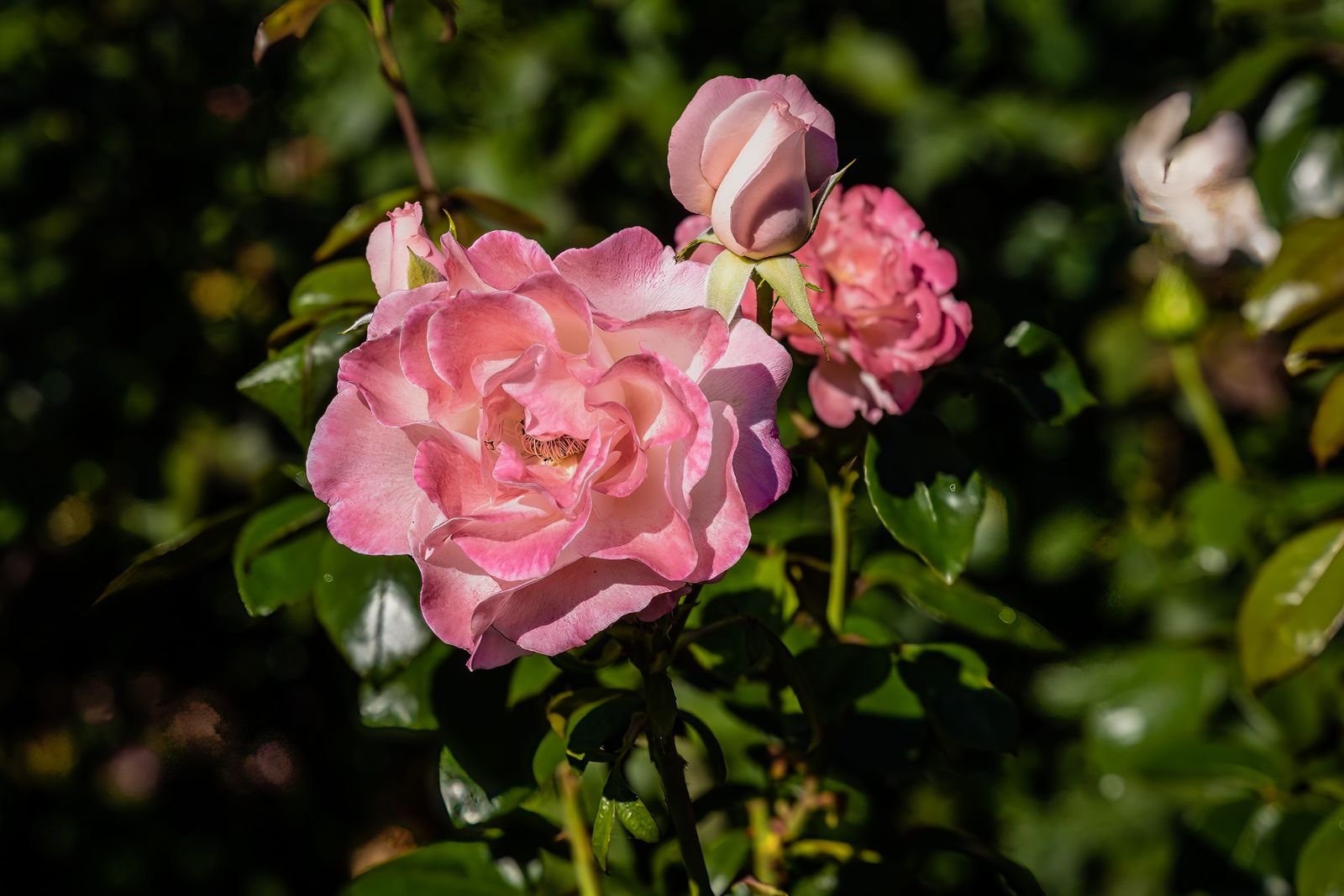
Portland has called itself the City of Roses since the early 1900s, when the climate, a few energetic garden clubs, and miles of rose-lined streets made the nickname stick. After the Lewis and Clark Exposition of 1905 put the city on the national map, Mayor Harry Lane suggested Portland ought to have a permanent “festival of roses.”
The first Rose Festival was held in 1907, and a parade of flower-decked vehicles was part of it from the beginning. In those early years the entries were horse-drawn wagons and some of the first automobiles in town, all buried in blooms cut from local gardens.
More than a century on, the parade is still the main event of a festival that now sprawls across several weeks of late May and June. It has paused only rarely, during wartime and in 2020 and 2021, when the pandemic kept everyone home.
What actually goes by
The parade has a rule that keeps it honest: floats are meant to be covered in flowers and other natural materials. Petals, seeds, bark, leaves, moss. Up close you can see the work, thousands of individual blossoms glued and pinned on by volunteers in the days before.
Between the floats you get the rest of the procession:
- Marching bands from high schools around Oregon and Washington, plus visiting bands from farther afield. Groups from Portland’s sister cities in Asia turn up regularly and are usually among the sharpest on the street.
- The One More Time Around Again Marching Band, a huge outfit of adults who used to play in school bands and never quite gave it up.
- Equestrian units, with riders and horses in full regalia, followed at a respectful distance by the people with shovels, who get some of the biggest cheers of the day.
- Drill teams and dance groups in costume.
- The Royal Rosarians, the city’s official greeters since 1912, in white suits and straw boaters.
- The Rose Festival Court, made up of students chosen from area high schools, with the newly crowned Queen of Rosaria.
The Portland Sister Cities Association usually enters a float of its own, and it is a good reminder that this very local party has always had an international guest list.
The route, and why the bridge is the best part
For decades the classic route began at Veterans Memorial Coliseum, where ticket holders could watch the start from indoor seats, then ran through the Lloyd District, turned from Martin Luther King Jr. Boulevard onto the Burnside Bridge, and crossed the river into downtown.
The route has been shortened and rearranged more than once in recent years, so look up the current map before you pick a spot. Whenever it crosses the Burnside, though, that is where I would send you.
Why the Burnside Bridge works
The bridge dates to 1926 and gives you something the downtown blocks cannot: open sky and a long sight line. You can watch a band form up on the east side and come at you across the whole span, with the skyline behind you and the river on both sides.
During gaps in the parade, families drift out onto the empty roadway and kids run around on a bridge that normally carries four lanes of traffic. That alone is worth seeing.
The west end and the White Stag sign
Where the bridge lands in Old Town, the parade passes directly under the White Stag sign, the neon leaping deer that now reads “Portland Oregon.” A marching band in step beneath that sign is about as Portland as a photograph can get.
This corner is also right beside Saturday Market and the Skidmore Fountain, so when the last float has gone by you are already standing next to lunch.
How to watch it like a local
A few things I have learned, some of them by doing it wrong:
- Do not drive. Streets along the route close early and parking near it evaporates. Walk, bike, or take MAX, and expect transit detours near the route.
- Decide how much you care about the front row. Portlanders have a long, slightly ridiculous tradition of staking out curb space ahead of time with tape, chalk, and lawn chairs. The city sets rules on how early that can start. If you just want to see the parade, you can show up as it begins and find a decent view a row or two back.
- Bring layers. Early June here can be 55 degrees and drizzling or 80 and cloudless, sometimes inside the same hour. When you get a perfect blue morning for it, people talk about it for years.
- Bring something to sit on and something to drink. The parade runs a couple of hours.
- Pick the shady side if the forecast is hot. On the bridge there is no shade at all, so wear a hat.
- A phone camera is plenty. The parade moves slowly and comes close. Some of my favorite shots were taken on a phone because I had not planned to be there at all.
The rest of the Rose Festival
The Grand Floral Parade is the centerpiece, but it has company:
- The Starlight Parade, an evening procession through downtown with illuminated floats and a looser, sillier mood.
- The Junior Parade in the Hollywood District, where children march with decorated wagons, bikes, and pets. It has been running since the 1930s.
- CityFair at Tom McCall Waterfront Park, with carnival rides and fried things on sticks.
- Fleet Week, when Navy and Coast Guard ships tie up along the harbor wall and the downtown bridges lift one after another to let them through.
- Dragon boat races on the Willamette.
And if the floats put you in the mood for the real thing, the International Rose Test Garden in Washington Park, founded in 1917, is at its peak in June.
Worth the detour
The Grand Floral Parade is not edgy and it is not trying to be. It is flowers, brass, horses, and neighbors sitting on a curb together, which is more or less what it was in 1907. Plan for it if you like. Or just go for a walk on a Saturday in June and let it find you.
- portland
- rose festival
- grand floral parade
- burnside bridge
- city of roses
- june events